What is Zithromax (Azithromycin)?
Zithromax is the brand name for the drug azithromycin. It belongs to a class of antibiotics known as macrolides. It works by stopping the growth of bacteria, effectively preventing them from multiplying and allowing your body's immune system to clear the infection.
It is not effective against viral infections like the common cold, flu, or COVID-19.
What is Zithromax Used to Treat?
Doctors prescribe Zithromax for a variety of common bacterial infections. Some of the most frequent uses include:
- Respiratory Infections: Such as community-acquired pneumonia, bronchitis, and sinus infections (sinusitis).
- Strep Throat (Streptococcal Pharyngitis) and tonsillitis.
- Skin Infections: Uncomplicated skin and skin structure infections.
- Ear Infections: Particularly acute otitis media in children.
- Sexually Transmitted Diseases (STDs): It is a primary treatment for uncomplicated chlamydia infections.
Understanding the Z-Pak: A Unique Dosage
One of the most recognizable forms of Zithromax is the "Z-Pak." This unique dosing regimen is often a point of interest for patients.
- A standard Z-Pak contains six 250mg tablets for a 5-day course of treatment.
- Day 1: You take two tablets (500mg) at once.
- Days 2-5: You take one tablet (250mg) each day.
There are also other dosages, such as a 3-day course or a single large dose for treating certain STDs. Always follow your doctor's specific instructions.
The Secret to its Power: The Post-Antibiotic Effect
Have you ever wondered why a 5-day Z-Pak can clear up an infection that might require 10 days of another antibiotic? This is due to azithromycin's unique properties.
It has a very long half-life, meaning it is eliminated from the body very slowly. It concentrates highly in the body's tissues and is released gradually over time. This creates a "post-antibiotic effect," where the drug continues to fight bacteria for several days even after you've finished the last pill. This is why you can feel better and continue to improve after your course of medication is complete.
Potential Side Effects: What to Watch For
Like all medications, Zithromax can cause side effects. Most are mild and go away on their own.
Common Side Effects:
- Nausea
- Diarrhea
- Vomiting
- Stomach pain or cramping
- Headache
Serious Side Effects (Contact Your Doctor Immediately):
- Severe or persistent diarrhea (which could be a sign of a new infection like C. diff).
- Signs of an allergic reaction: rash, hives, difficulty breathing, swelling of the face, lips, tongue, or throat.
- Fast, pounding, or irregular heartbeat.
- Dizziness or fainting.
- Signs of liver problems: yellowing of the skin/eyes, dark urine, severe stomach pain.
Interactions: Zithromax and Alcohol, and Other Drugs
It's crucial to tell your doctor and pharmacist about all medications you are taking.
- Alcohol: While there isn't a severe direct interaction, alcohol can worsen side effects like nausea and dizziness. It can also weaken your immune system, making it harder to fight the infection. It's generally best to avoid alcohol while you are sick and taking an antibiotic.
- Antacids: Antacids containing aluminum or magnesium can reduce the absorption of Zithromax. It's recommended to take Zithromax at least 1 hour before or 2 hours after taking these antacids.
- Other Medications: Zithromax can interact with blood thinners (like warfarin), certain heart medications, and others. Always consult your pharmacist for a full review of potential interactions.
Myths vs. Facts: Clearing Up Misconceptions
Myth: Zithromax can cure my cold or flu.
Fact: Colds and the flu are caused by viruses. Zithromax is an antibiotic and only works against bacteria. Taking it for a virus will not help you get better, can cause unnecessary side effects, and contributes to antibiotic resistance.
Myth: I can stop taking it as soon as I feel better.
Fact: You must complete the full course of medication as prescribed by your doctor. Stopping early can allow the hardiest bacteria to survive, potentially leading to a relapse of the infection that is harder to treat.
Empower Yourself: Questions to Ask Your Doctor
When you get a prescription for Zithromax, consider asking these questions:
- Should I take this with food or on an empty stomach?
- What should I do if I accidentally miss a dose?
- Are there any specific side effects I should be on high alert for?
- Given my other medications, are there any potential interactions I should know about?
- Since this is an antibiotic, should I consider taking a probiotic?
The Dangers of Buying Zithromax Online Without a Prescription
It may seem convenient, but purchasing antibiotics like Zithromax online from unverified sources is extremely dangerous for several reasons:
- Counterfeit Drugs: The medication you receive could be fake, containing no active ingredient, the wrong ingredient, or even harmful substances.
- Incorrect Dosage: Without a doctor's diagnosis, you could be taking the wrong dose for your condition, which is ineffective and dangerous.
- Lack of Medical Oversight: You have no professional to monitor for side effects or allergic reactions.
- Antibiotic Resistance: Misusing antibiotics is a primary driver of antibiotic-resistant "superbugs," a major global health threat.
Only take Zithromax when prescribed by a licensed healthcare professional and obtained from a legitimate pharmacy.

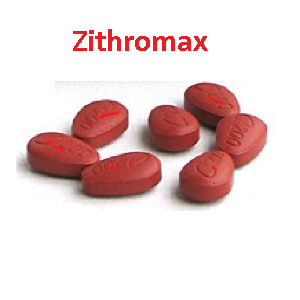

 Zithromax azithromycin 250mg/500mg